Short answer
Eau de Parfum usually contains a higher proportion of fragrance concentrate than Eau de Toilette, but that does not make every EDP stronger, better or longer-lasting than every EDT. Formula, ingredients, skin, sprays and weather matter. Choose EDP when you want greater depth or a richer wear pattern; choose EDT when you prefer a lighter, fresher or easier daytime experience.
EDP vs EDT at a glance
| Factor | Eau de Parfum | Eau de Toilette |
|---|---|---|
| Typical character | Fuller, deeper, often richer | Lighter, brighter, often fresher |
| Wear pattern | May develop more slowly | Often opens more briskly |
| Price | Often higher within the same line | Often more accessible |
| Common use | Evening, occasions, cooler settings | Daytime, office, warm weather |
| Important caveat | Not automatically stronger | Not automatically weak |
Concentration ranges overlap between brands and are not a universal performance scale. Two versions of the same fragrance may also be reformulated with different notes rather than simply more or less concentrate.
Why EDP does not always last longer
Long-lasting materials such as woods, resins, musks and vanilla can influence the dry-down, while volatile citrus or aquatic facets may feel more noticeable at first and then become quieter. An expertly built EDT can therefore outlast a soft EDP. Skin moisture, air conditioning, outdoor heat, storage and the number of sprays can change the result further.
Which works better in Indian weather?
For hot daytime use, an EDT can feel more comfortable because many are designed around freshness and lift. That is not a rule: a controlled EDP may work beautifully, while an over-applied EDT can still become intrusive. In humid weather, begin with fewer sprays and judge the fragrance after it warms on skin.
For air-conditioned offices, consider scent profile and projection before concentration. A clean woody EDP can be more appropriate than a loud sweet EDT. For evenings or celebrations, an EDP may provide the depth many shoppers want, but personal taste remains decisive.
The same fragrance name can hide two different compositions
An EDT and EDP carrying the same family name are not always the same perfume at two strengths. A brand may brighten the EDT with citrus or aromatics and rebuild the EDP around woods, sweetness or amber. The opening, heart and dry-down can therefore change along with concentration. Treat each version as its own composition and compare both on skin before deciding.
This is particularly important when reading online reviews. A review of one concentration cannot be transferred automatically to another. Check the complete product title, bottle size and concentration before purchasing, especially when packaging looks similar.
How to compare an EDP and EDT properly
Test one fragrance on each wrist, using the same number of sprays. Smell the openings, then return after 30 minutes, two hours and later in the day. Notice not only whether you can smell them, but how far they project, whether the dry-down remains pleasant and whether either becomes tiring. Avoid testing several other perfumes at the same time.
Price per millilitre can help compare bottle value, but it should not decide the winner. The fragrance you enjoy and will use regularly is usually better value than a stronger bottle that stays in the cupboard.
Recognised examples
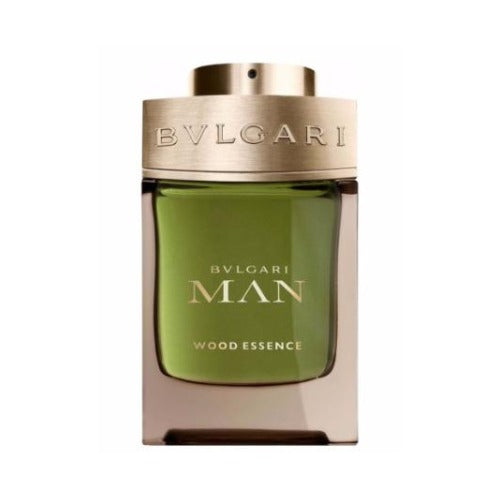
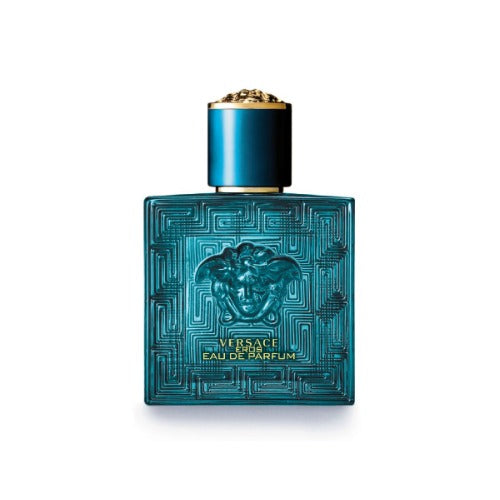
The EDP side can be illustrated with Bvlgari Man Wood Essence, Versace Eros EDP and Calvin Klein Truth EDP. On the EDT side, Issey Miyake L’Eau d’Issey Pour Homme, Davidoff Cool Water and Calvin Klein CK One provide familiar reference points. These are examples of how brands use each format—not proof that one category wins universally.
Choose EDP if…
- You prefer richer development and a more substantial dry-down.
- You are shopping mainly for evenings, occasions or cooler environments.
- The specific EDP version smells better to you after a full wear test.
Choose EDT if…
- You enjoy brighter openings and easy daytime freshness.
- You want a lighter office or warm-weather option.
- You prefer the EDT composition, even when an EDP version exists.
Verdict
Do not buy the letters; buy the fragrance. Compare the actual versions, wear each for several hours and consider where you will use it. Read our fragrance families guide, explore Office Safe, or browse All-Day Performers.