Short answer
Fragrance families are broad scent-style groups that help shoppers describe what they enjoy. Floral fragrances centre on flowers; woody scents emphasise materials such as cedar, sandalwood or vetiver; amber fragrances—traditionally called Oriental—feel warm, resinous or spicy; fresh fragrances use citrus, green, aquatic or aromatic effects. Many perfumes belong to more than one family.
| Family | Typical impression | Useful starting occasion |
|---|---|---|
| Floral | Petal-like, soft, bright or opulent | Daytime, celebrations, gifting |
| Woody | Dry, earthy, creamy or polished | Work, evening, signature wear |
| Amber | Warm, spicy, resinous or sweet | Evenings and cooler settings |
| Fresh | Citrus, green, aquatic or airy | Daytime and warm weather |
Floral
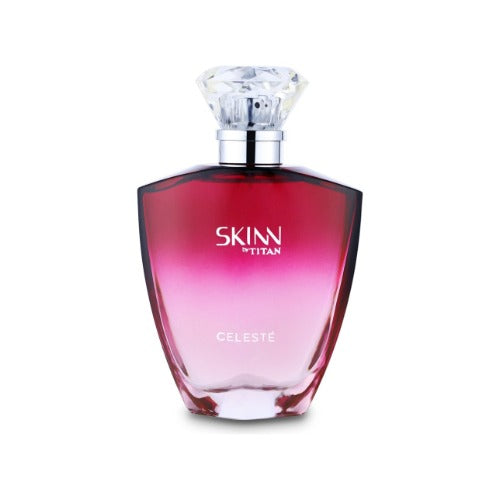
Floral is far broader than “sweet flowers.” Rose can feel romantic or dark; jasmine can feel luminous or sensual; white florals can become creamy and opulent. Gucci Bloom offers a premium floral reference, while Titan Skinn Celeste provides a more accessible comparison.
Woody
Woody fragrances may feature cedar, sandalwood, vetiver, patchouli or modern woody-amber materials. They can feel dry and formal, creamy and comforting, or dark and smoky. Bvlgari Man in Black provides the premium example, followed by Armaf Club de Nuit Intense Man Pure Parfum as the commercially relevant accessible-performance option.
Amber
Amber fragrances—traditionally labelled Oriental—often combine resins, spices, vanilla, balsamic sweetness and warm woods. Dolce & Gabbana The One EDP illustrates a polished warm style; Calvin Klein Obsession provides a familiar richer reference. Amber does not automatically mean extremely strong or sweet.
Fresh
Fresh includes citrus, green, aquatic and aromatic profiles. CK One is clean and citrus-led; Davidoff Cool Water is the recognisable aquatic-aromatic benchmark. Fresh perfumes can be ideal in Indian heat, but application and projection still matter in close spaces.
Families, notes and accords are not the same thing
A note is an ingredient impression such as rose, bergamot or sandalwood. An accord is a blended effect—marine freshness or amber warmth, for example. A family describes the overall direction created by many notes and accords. That is why seeing vanilla in a note list does not automatically make a perfume amber or gourmand, and seeing cedar does not guarantee that woody will be its dominant character.
Useful subfamilies
Floral can divide into fresh floral, fruity floral, white floral and floral amber styles. Woody may become woody aromatic, woody spicy or woody amber. Fresh can include citrus, green, aquatic and aromatic branches. Amber can lean spicy, floral, woody or gourmand. These subfamilies explain why two perfumes placed in the same broad family can smell completely different.
Choose by weather and setting
Hot weather often rewards citrus, green and aquatic freshness, but very sharp projection can still become uncomfortable. Air-conditioned offices allow more flexibility, provided application remains controlled. Warm amber and dense woody perfumes frequently feel more natural at night or in cooler conditions, while florals can move from daytime freshness to formal evening richness depending on their construction.
A simple scent-style decision path
- If you want clean and airy, begin with fresh.
- If you want petal-like elegance, begin with floral.
- If you want dry, polished or earthy depth, begin with woody.
- If you want warmth, spice or sweetness, begin with amber.
- If two answers appeal, explore the connecting subfamily rather than forcing one label.
Keep a short record of what you test. Note the opening, the dry-down and the moment you would wear it. After five or six trials, recurring preferences become far clearer than they are from reading note lists alone.
How to choose
Start with the words you naturally use. If you say clean, airy or watery, explore fresh. If you like polished woods, leather accessories or dry spices, begin with woody. If you want warmth, vanilla or evening richness, try amber. If petals and elegant softness attract you, begin with floral. Then smell across boundaries because the best match may be floral-woody or fresh-aromatic.
Build a small fragrance wardrobe by family
A practical wardrobe does not require one bottle from every family. Begin with two roles: an easy daytime fragrance and a contrasting evening or occasion scent. A fresh aromatic perfume can cover commuting and work, while a woody or amber fragrance adds depth for dinners and celebrations. Someone who naturally prefers florals could instead combine a clean daytime floral with a richer floral-amber.
The goal is contrast without duplication. If two bottles share the same dominant family, ask whether their temperature, sweetness, projection or occasion is meaningfully different. This prevents a collection from becoming several versions of the same idea.
How to read product descriptions more accurately
Look beyond the longest list of notes. The opening notes may dominate the first minutes but say little about the fragrance you will experience later. Pay attention to the stated family, recurring accords and base direction, then compare that description with an on-skin test. Words such as “fresh,” “woody” or “amber” are navigation aids, not performance guarantees.
Gender labels are also secondary to smell. A fragrance marketed for men, women or unisex may still suit anyone who enjoys its profile. Use the family to find the direction, then let personal comfort decide.